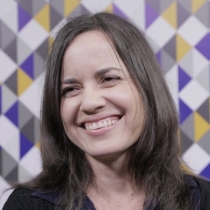
José J. Nieves, a journalist and former ICFJ Knight Fellow, left his native Cuba in 2019 as it was growing increasingly hostile to journalists. But the threats followed him.
Venezuela and Iran have both been targets of U.S. military action in recent months, but journalists covering both countries say little has changed for press freedom or access to information on the ground. So what is different for people living there? And how can we understand what is actually happening inside these countries?
The Hold The Line Coalition welcomes the Philippine Supreme Court’s final decision to close a lawsuit against Nobel Peace Prize laureate Maria Ressa and her newspaper Rappler. The decision formally ends the Securities and Exchange Commission’s nearly decade-long efforts to shut down the independent news outlet with frivolous, politically motivated allegations of foreign ownership. The decision, issued in late January and conveyed to Rappler in late March, followed the Solicitor General’s withdrawal of its further challenge to earlier Appeal Court rulings in Rappler’s favor.
Leaked data from the Russian Defense Ministry shook the story loose. A team of investigators found that during the first 21 months of the invasion of Ukraine, nearly 1,000 Russian soldiers were treated at Belarusian hospitals, including war crime suspects. These “secret patients,” as they were known, directly tied Belarus to Moscow’s war effort.
ICFJ President Sharon Moshavi recently joined Interlochen Public Radio News Director Ed Ronco for a public conversation on the state of journalism, hosted by the International Affairs Forum at Northwestern Michigan College. The discussion, part of the forum’s ongoing series focused on global affairs and press freedom, brought together journalists, students and community members from across northern Michigan. Topics included the erosion of trust in media, the collapse of traditional business models, the growing impact of artificial intelligence and the need for innovation in how journalism is practiced and supported.
When Bashar al-Assad’s government was overthrown at the end of 2024, Mais Katt, a Syrian journalist who has lived in exile for 14 years, immediately returned to her country. She was one of the first journalism trainers to enter Damascus after the fall of the regime. Her goal? Help prepare women journalists to take advantage of their newfound freedoms.
Aziza Nofal, a Palestinian freelance journalist and an ICFJ Jim Hoge Reporting Fellow, through her fellowship, conducted a months-long investigation into the shortage of aid for refugees living in West Bank refugee camps. When Nofal was covering Israeli incursions into West Bank refugee camps for outlets like Al Jazeera, she observed a lack of support from Palestinian authorities.
Risks to journalists’ safety and their ability to operate are growing every day, from state-sponsored repression and legal attacks to armed conflicts and online violence. “Right now, it feels like a perfect storm has hit independent media,” said Anastasia Rudenko, founder and editor-in-chief of the Ukrainian outlet Rubryka.
Un grupo de 10 organizaciones internacionales presentó esta semana un amicus curiae ante la Corte Suprema de Justicia de Guatemala en el caso del periodista José Rubén Zamora Marroquín. El amicus, presentado el 26 de marzo, argumenta que el retorno de Zamora a prisión preventiva constituye una violación de sus derechos fundamentales bajo el derecho guatemalteco e internacional, e insta a la Corte a otorgar un recurso de amparo pendiente y permitir que el Sr. Zamora lleve su proceso bajo medidas sustitutivas.
A group of 10 international organizations submitted an amicus curiae brief to Guatemala’s Supreme Court in the case of journalist José Rubén Zamora Marroquín. The brief, filed on March 26, argues that Zamora’s return to preventive detention constitutes a violation of his fundamental rights under Guatemalan and international law, and urges the Court to grant a pending amparo appeal and allow Zamora to return to house arrest.