Disarming Disinformation

Disinformation is a rampant problem and can have terrible, even deadly, consequences. It’s time to turn the page, to support and amplify innovative strategies that can combat dangerous falsehoods. It's time to identify and reveal the networks behind viral pieces of false content, and to make sure the next generation is prepared to separate fact from fiction.

Disarming Disinformation is ICFJ's largest program addressing the information disorder we live in. It is a three-year global program supported by the Scripps Howard Foundation. Between 2022 and 2025, the program will invest $3.8 million on solutions that effectively push back against disinformation.

The program has a multidisciplinary approach, designed to engage journalists and journalism students but also teachers, researchers, social media strategists, digital influencers, developers and others who have been fighting mis/disinformation across the globe. It does so through many initiatives, such as in-person and online trainings, grants, project mentorship, in-depth research, newsroom embedment and a slew of resources, such as how-to guides.  

Disarming Disinformation is streamlined into three tracks: Investigative, Capacity Building and Research.

FIND PROGRAM IMPACT DATA HERE.
 

Receive More Information


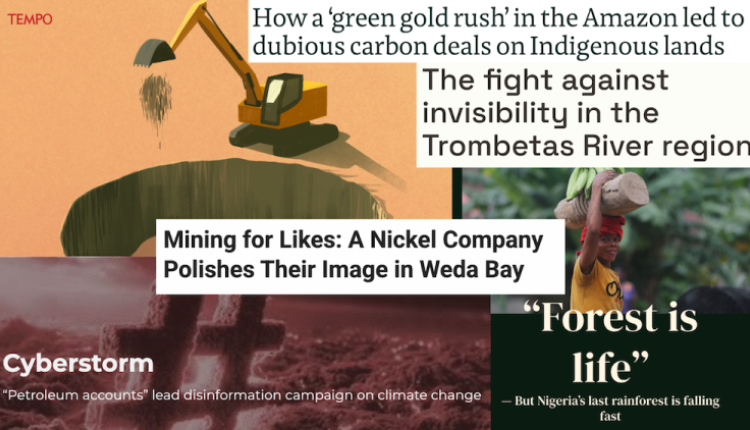
ICFJ-Backed Investigations Expose the Impact of Climate Disinformation Around the Globe

|
June 5, 2026
Disinformation about climate change often is spread without regard for human or environmental consequences. Journalists supported by ICFJ+, a venture led by the International Center for Journalists (ICFJ), Code for Africa and Proto, are exposing this deception through cutting-edge investigative reporting.

A Journalist in Brazil is Showing Seniors How to Outsmart Misinformation, One WhatsApp Message at a Time

|
November 17, 2025
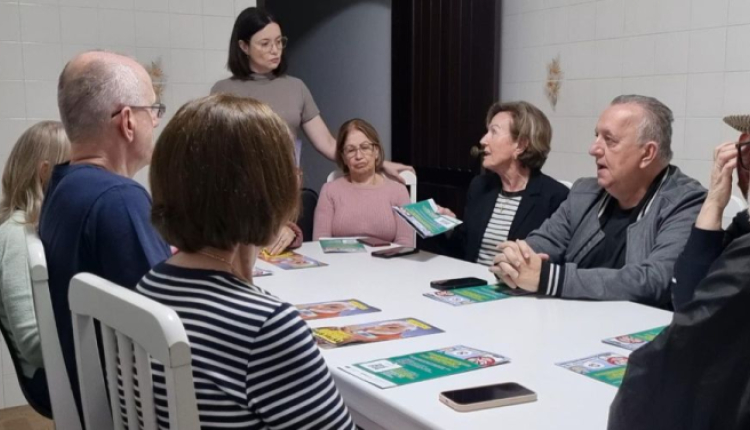
The most sophisticated media literacy tools in the world are worthless if they don't meet people where they are. Southern Brazil journalist Talita Rosa first encountered the phrase “fake news” in 2017, years before it entered everyday Brazilian conversation. That online course sparked her interest in fact-checking and later led her to launch "Prova Real," a pioneering verification project for the region.

A Teacher in Ecuador Found Teens Already Doubt What They See Online – and Taught Them How to Turn That Into Power

|
November 17, 2025
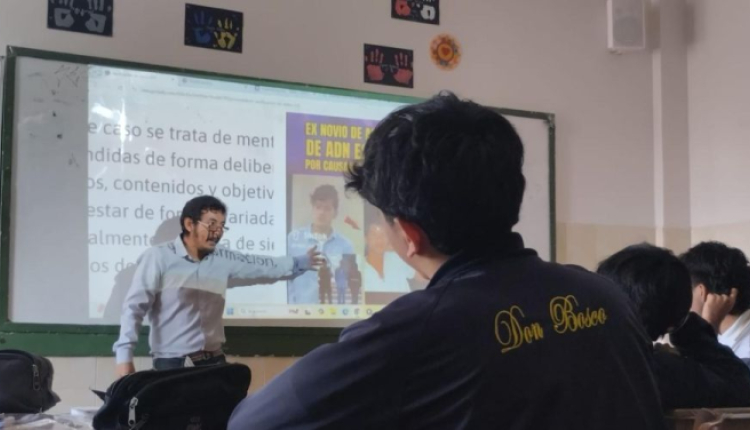
A high school history teacher and fact-checker, Gabriel Narváez, wanted to bridge his two professional worlds. His goal was to strengthen public discourse by teaching his students to question what they read and share online. Narváez sees hope in the next generation of Ecuadorians. He also sees a challenge. Even the best education can’t compete with the flood of unverified information that shapes young people’s digital lives. He worried his students didn’t care whether what they saw on social media was true. But he found something unexpected: his students were already skeptical.

How a Peruvian Journalist Turned Media Literacy Into a Community Movement

|
November 17, 2025
When the COVID-19 pandemic hit Peru, Lucero Ascarza found herself staring down a new challenge in the classroom: disinformation. She had started her career as a reporter for Convoca, a Peruvian-based investigative journalism organisation, digging into the Panama Papers as part of an international coalition of journalists. Later, Ascarza transitioned into education at the Pontifical Catholic University of Peru, where she helped the next generation of reporters learn the craft. But it wasn’t until the public health crisis — and the mistrust that fueled Peru’s anti-vaccine movement — that she realised how central the fight against falsehoods had become.
Funded by